Home
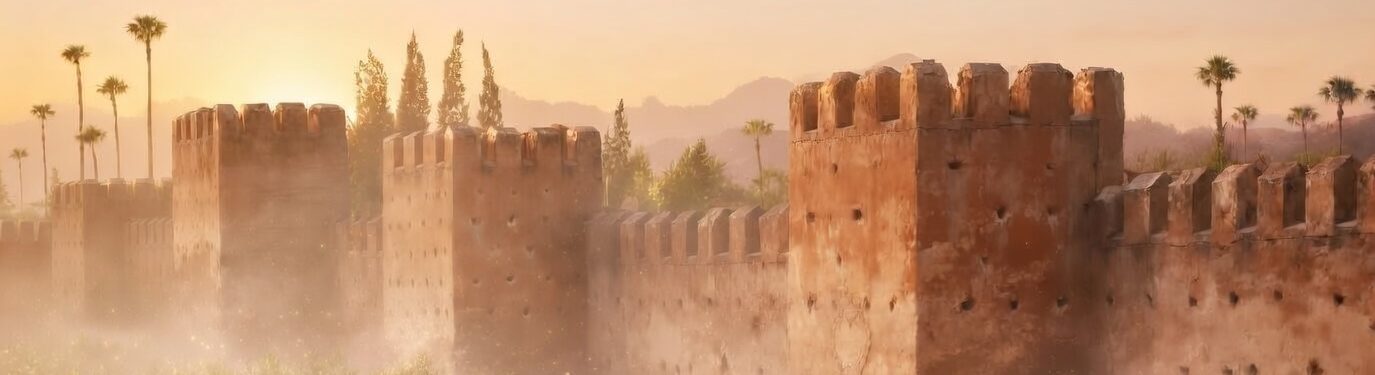
Ribat is considered a form of high-virtue worship in Islam. It is understood as the act of stationing oneself at the frontier or boundary to defend Muslim land. In the early days, Ribat meant the borderlands; standing on the edge of the dark, watching for what might come. A man who did this was a morabit. A woman, a morabita.
Your Voice Instead of a Sword
Now—for most of us—the border has moved inside. So, there is intellectual Ribat, which is:
· Holding truth steady when lies swarm like flies.
· Speaking with clarity when the world is nothing but noise.
· Pushing back against falsehood without letting it poison your own heart.
The Prophet—peace be upon him—said that a single day and night of ribat is better than a whole month of standing in prayer, of bowing until your knees ache, of fasting until your throat is dry.
Better, even, than all of that.
For the one who keeps watch:
· Their reward does not stop when their breath stops.
· They are sheltered from the terror of what comes after.
· They are lifted to a station nearly as high as the martyr—the one who falls with his blood still warm.
Why so much?
Because ribat costs you. It costs your comfort, your soft bed, your easy sleep. It asks you to stay awake when the world is quiet and danger is a whisper. It asks you to serve before you are served, to risk without applause, to stand firm when no one is watching your back. It is worship that wears the skin of responsibility.
Not every argument is ribat. Not every word you throw into the crowd is sacred.
It becomes ribat only when:
· You speak for truth, not for the shape of your own name.
· You aim to protect, not just to prove.
· You keep your discipline and your dignity even when someone spits at your feet.
Think of it like this:
Your tongue can be a watchtower, rising clean against the sky.
Or it can be a weapon that shatters everything you love.
Real ribat with your words means holding truth with:
· Thoughtfulness and principle, not for show, rooted deep—like something that has learned to hold on through the storm.